


Lying open on a large hardwood table, you see a book of embossed gold and thin parchment, illuminations decorating the pages.
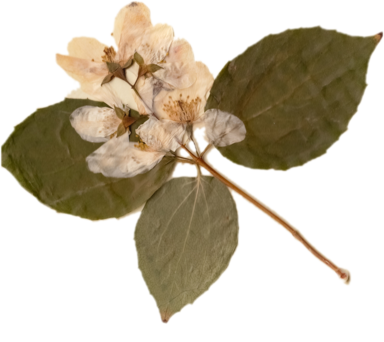
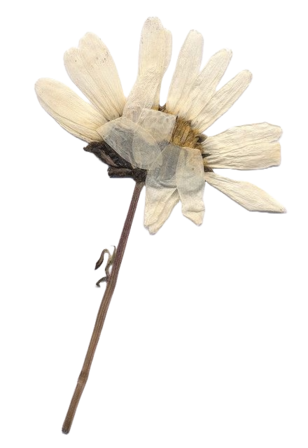
Flipping through it, neatly written are quotes and writings of immense thought, with flowers and plants pressed between.
The book contains knowledge the old Wizard has gathered elsewhere.

The Wheel of Time turns, and Ages come and pass, leaving memories that become legend. Legend fades to myth, and even myth is long forgotten when the Age that gave it birth comes again. In one Age, called the Third Age by some, an Age yet to come, an Age long past, a wind rose in the Mountains of Mist. The wind was not the beginning. There are neither beginnings nor endings to the turning of the Wheel of Time. But it was a beginning.
Tell the king, the far-wrought house has fallen
No shelter has Apollo, nor sacred laurel leaves;
The fountains are now silent; the voice is stilled.
The first week of August hangs at the very top of summer, the top of the live-long year, like the highest seat of a Ferris wheel when it pauses in its turning. The weeks that come before are only a climb from balmy spring, and those that follow a drop to the chill of autumn, but the first week of August is motionless, and hot. It is curiously silent too, with blank white dawns and glaring noons, and sunsets smeared with too much color. Often at night there is lightning, but it quivers all alone. There is no thunder, no relieving rain. These are strange and breathless days, the dog days, when people are led to do things they are sure to be sorry for after.
In my dreams of this city I am always lost.
What we share may be a lot like a traffic accident but we get one another. We are survivors of each other. We have been shark to one another, but also lifeboat. That counts for something.
Old lovers go the way of old photographs, bleaching out gradually as in a slow bath of acid: first the moles and pimples, then the shadings. Then the faces themselves, until nothing remains but the general outlines.
You don't look back along time but down through it, like water. Sometimes this comes to the surface, sometimes that, sometimes nothing. Nothing goes away.
There are several diseases of the memory. Forgetfulness of nouns, for instance, or of numbers. Or there are more complex amnesias. With one, you can lose your entire past; you start afresh, learning how to tie your shoelaces, how to eat with a fork, how to read and sing. You are introduced to your relatives, your oldest friends, as if you’ve never met them before; you get a second chance with them, better than forgiveness because you can begin innocent. With another form, you keep the distant past but lose the present. You can’t remember what happened five minutes ago. When someone you’ve known all your life goes out of the room and then comes back in, you greet them as if they’ve been gone for twenty years; you weep and weep, with joy and relief, as if at a reunion with the dead. I sometimes wonder which of these will afflict me, later; because I know one of them will. For years I wanted to be older, and now I am.
Now, it's full night, clear, moonless and filled with stars, which are not eternal as we once thought, which are not where we think they are. If they were sounds, they would be echoes, of something that happened millions of year ago: a word made of numbers. Echoes of light, shining out of the midst of nothing. It's old light, and there's not much of it. But it's enough to see by.
We are like the twins in old fables, each of whom has been given half a key.
The problem lay buried, unspoken, for many years in the minds of American women. It was a strange stirring, a sense of dissatisfaction, a yearning that women suffered in the middle of the twentieth century in the United States. Each suburban wife struggled with it alone. As she made the beds, shopped for groceries, matched slipcover material, ate peanut butter sandwiches with her children, chauffeured Cub Scouts and Brownies, lay beside her husband at night—she was afraid to ask even of herself the silent question—“Is this all?”
Looking mortality straight in the eye isn't an easy feat. To avoid the exercise, we choose to stay blindfolded, in the dark as to the realities of death and dying. But ignorance is not bliss, only a deeper kind of terror.
But Jesus makes his appearance here only as a corpse; the living man, the wine-guzzling vagrant and precocious socialist, is never once mentioned, nor anything he ever had to say. Christ crucified rules, and it may be that the true business of modern Christianity is to crucify him again and again so that he can never get a word out of his mouth.
The poor have disappeared from the culture at large, from its political rhetoric and intellectual endeavors as well as from its daily entertainment. Even religion seems to have little to say about the plight of the poor, if that tent revival was a fair sample. The moneylenders have finally gotten Jesus out of the temple.
Forget that you will have to do this again tomorrow, forget that you will have to be alert enough to dodge the drunks on the drive home tonight-just burn, burn, burn!
Most things will be okay eventually, but not everything will be. Sometimes you'll put up a good fight and lose. Sometimes you'll hold on really hard and realize there is no choice but to let go. Acceptance is a small, quiet room
The suburbs dream of violence. Asleep in their drowsy villas, sheltered by benevolent shopping malls, they wait patiently for the nightmares that will wake them into a more passionate world.
The darkness is so profound, it seems to penetrate my eyes. -- Thou shalt not see the way. Thou shalt lose thyself in the forest